Our Story
A family, a slope, and a fifteen-year argument about what Niagara wine can be.
From a single south-facing slope
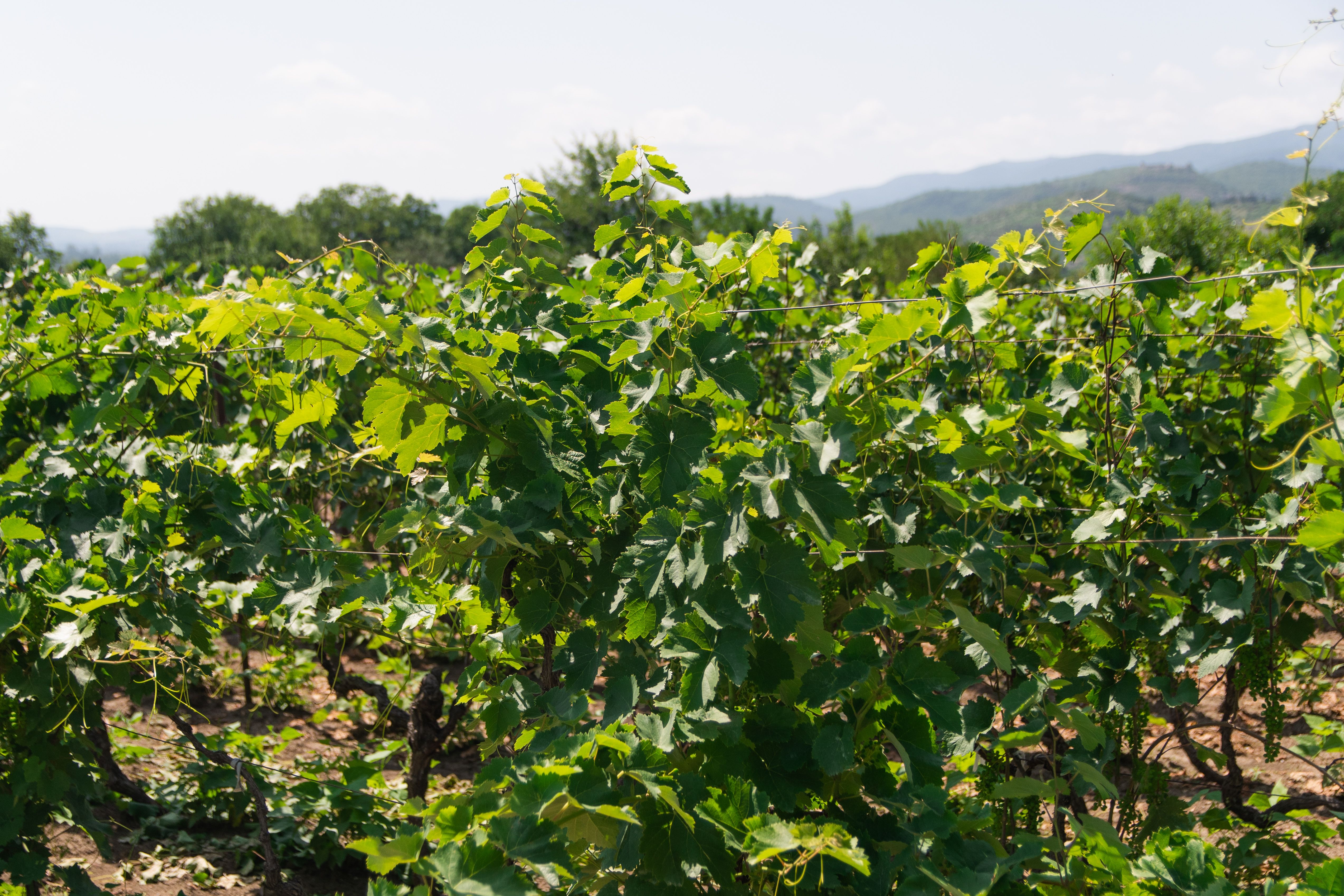
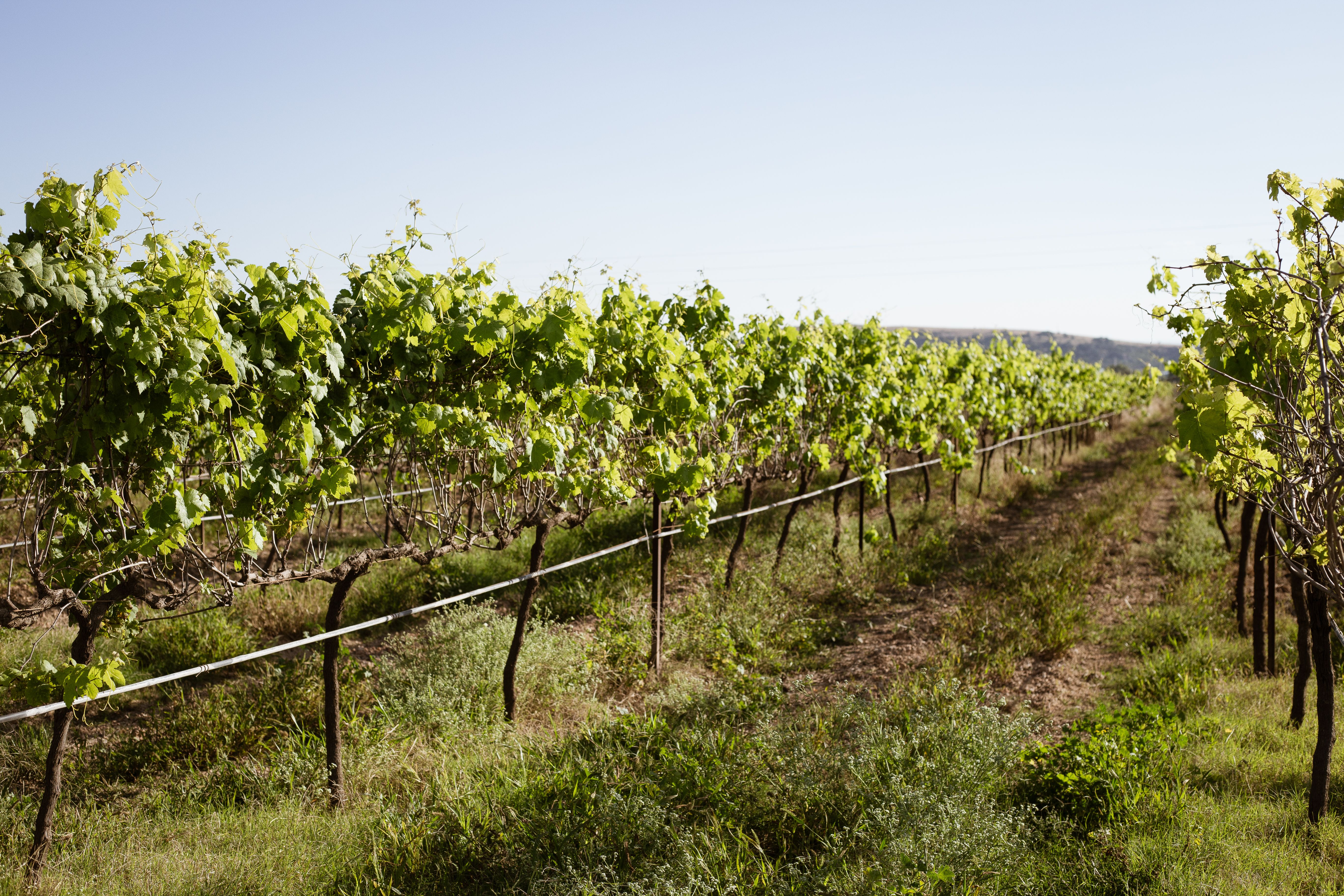
In the spring of 2009, Margot and Declan Howe broke ground on a fifteen-acre parcel above Beamsville, a south-facing slope of fractured limestone and clay loam, the kind of ground that holds cool nights long into October.
Declan had spent a decade in sales; Margot was a soil scientist. Neither had made wine before. What they had was an obsession with the idea that Niagara's escarpment bench could produce wines of genuine world-class quality, if someone was willing to do the unglamorous work of farming it properly.
Their first vintage, 2011, was twelve barrels of Chardonnay. They sold half to restaurants, gave a quarter to the harvest crew, and drank the rest slowly over the winter, arguing about what they'd do differently. By 2019, they'd earned their first 90+ score from a national publication. They didn't frame it.
Today, Bench & Brine is still fifteen acres. Still family-owned. Still farming the same slope. The vines are older, the roots deeper, and so, the wines would argue, is the flavour.
Simone Howe
Head Winemaker & ViticulturistMargot and Declan's daughter grew up between the vine rows and the barrel room. She studied enology at Brock University, spent three years working harvests in Burgundy and Alsace, then came home in 2019 to take over winemaking.
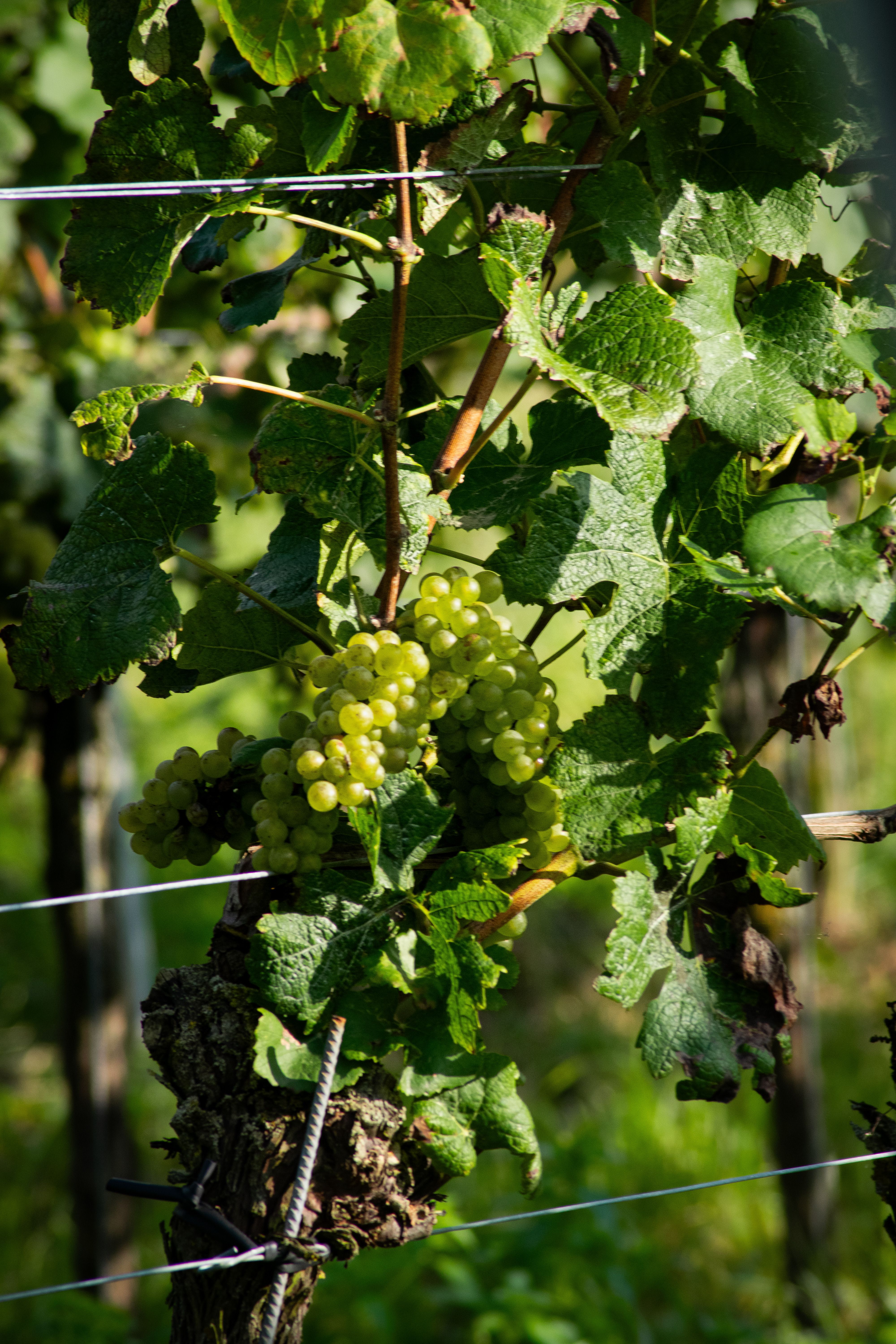
Simone's approach is quiet and observational. She walks the vineyard daily through the growing season, tasting berries, reading canopies, making incremental decisions that compound over months into wines with genuine specificity.
"The Escarpment tells you what the wine wants to be," she says. "My job is mostly to stay out of the way."
"A great wine is an argument about a place. Every bottle we make is our answer to what this hillside, in this particular year, had to say." Simone Howe, Head Winemaker